Nagoya Cochin — officially known as the "Nagoya breed" — is a heritage chicken originating from Aichi Prefecture. It was developed by the Amibe brothers, former retainers of the Owari domain, by crossing indigenous Japanese stock with Buff Cochins, and was officially recognised in 1905 (Meiji 38) as Japan's first certified commercial poultry breed.
Its most remarkable trait is that, uniquely among Japanese heritage chickens, it is produced exclusively through pure-line breeding — with no crossing of other breeds. Valued both for its meat and its eggs (a dual-purpose breed), it supported Japan's poultry industry from the Meiji era through the 1950s. Today, Aichi Prefecture maintains and manages the breed lines, continuously improving both meat-type and egg-type strains.
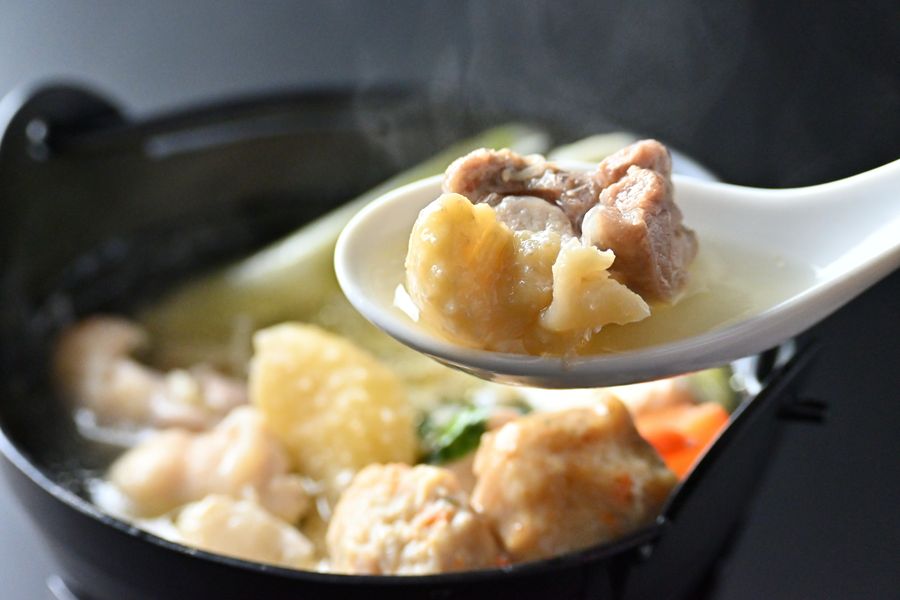
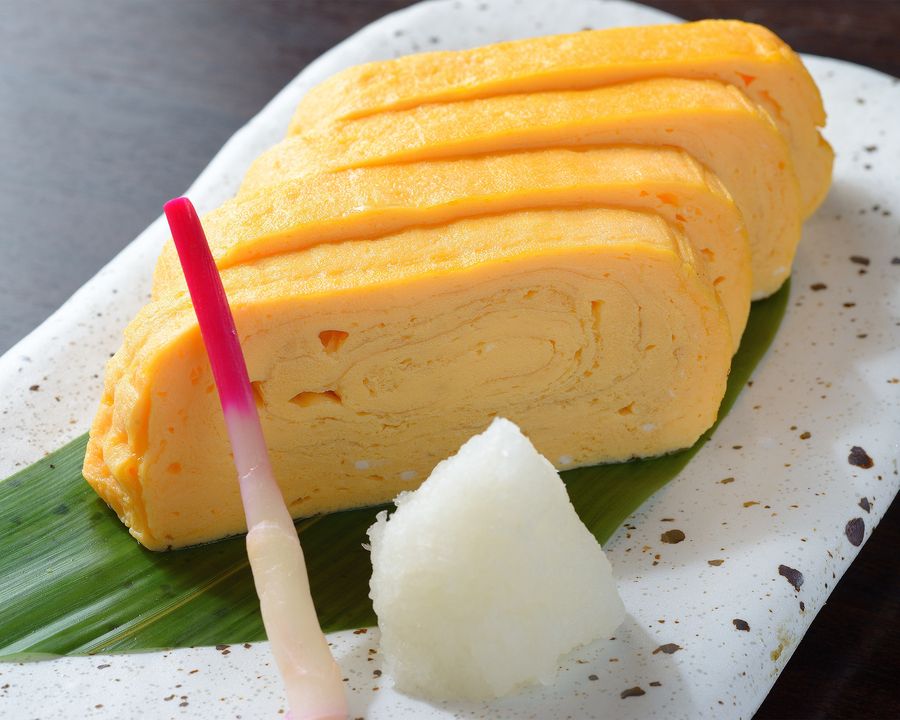
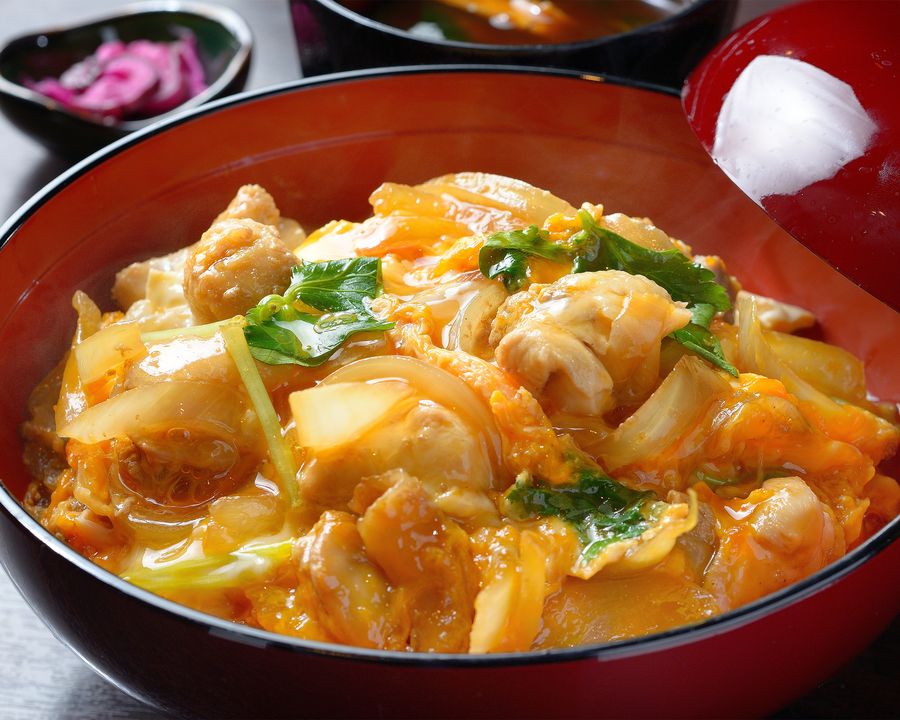
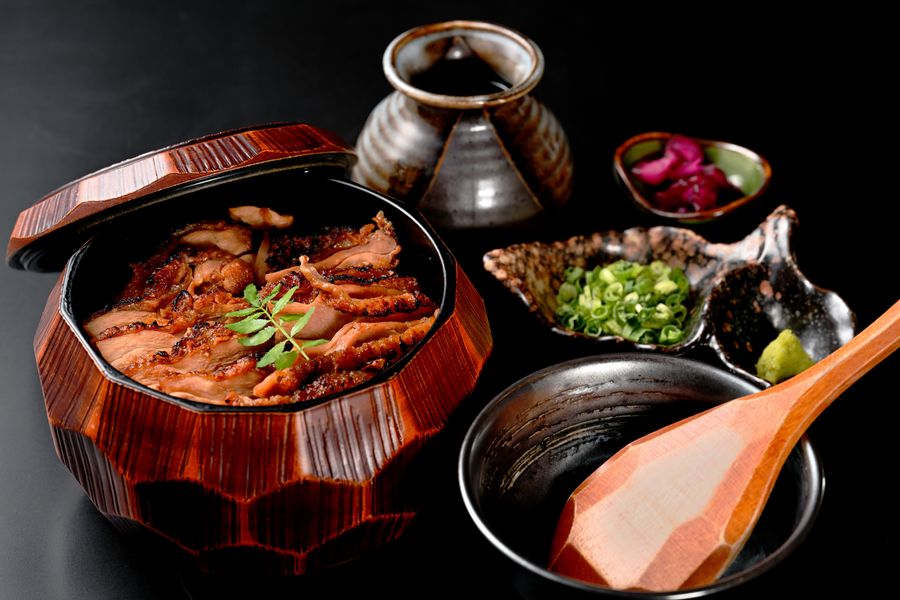
At Torisuki KULULU, we source our Pure Nagoya Cochin from Nanbu Shokukin, a specialist supplier. Beyond meat dishes, we also celebrate the richness of cochin eggs in dishes such as tori-suki hot pot, chicken-over-rice (hitsumabushi), tamagoyaki egg roll, and TKG (raw egg over rice).
Japan's First Certified
Commercial Poultry Breed
Officially recognised by the Japan Poultry Association in Meiji 38. A historic heritage chicken representing the poultry culture of the Nagoya region.
No Cross-Breeding —
Pure-Line Only
Aichi Prefecture manages the breed lines, producing both meat-type and egg-type Nagoya Cochin through pure-line-to-pure-line breeding only.
Prized for Both
Meat and Eggs
Beyond firm, flavourful meat, the cochin produces eggs with a distinctive pink shell and deeply rich yolk — both are highly prized.
Around the 1880s, the Amibe brothers — Katsutaro and Hachijiro, former retainers of the Owari domain — began crossing indigenous Japanese chickens with imported Buff Cochins in what is now Nagoya's Yagoto area. After years of selective breeding, they established a stable pure line that combined the hardy qualities of the native breed with the superior size of the Buff Cochin.
In 1905, it was officially registered as the "Nagoya breed" by the Japan Poultry Association — making it Japan's first recognised commercial poultry breed. The breed quickly spread across the Tokai region and was prized for both its flavourful meat and rich eggs, playing a central role in Japanese poultry farming through the mid-20th century.
Following World War II, the rapid expansion of Western-style broiler production led to a sharp decline in native breeds, and the Nagoya Cochin came close to extinction. Aichi Prefecture intervened to preserve and restore the breed, and today pure-line Nagoya Cochin are raised under strict certification, available in only very limited quantities nationwide.
Raised for a minimum of 28 weeks — roughly twice as long as standard commercial broilers — Pure Nagoya Cochin develop firm, dense muscle tissue packed with umami. The characteristic firm chew and deep, complex flavour set it apart from any mass-produced chicken.
The fat is fine-grained with a pleasant sweetness rather than heaviness. Because the breed is free-range and slow-growing, there is no excess fat accumulation, giving a clean, elegant finish to dishes. The breast meat is particularly lean and high in protein, while the dark meat (thighs and legs) carry concentrated umami that intensifies beautifully when cooked in broth.
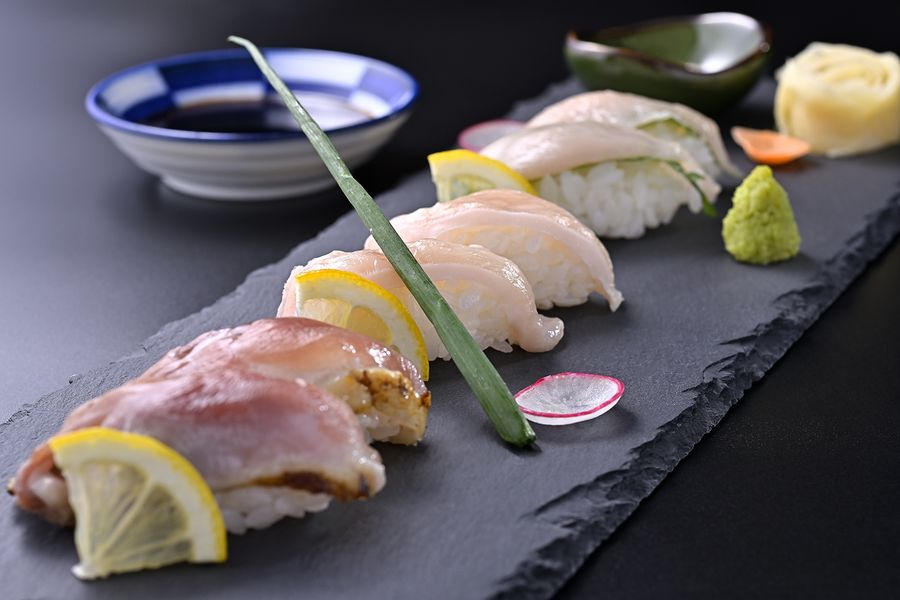
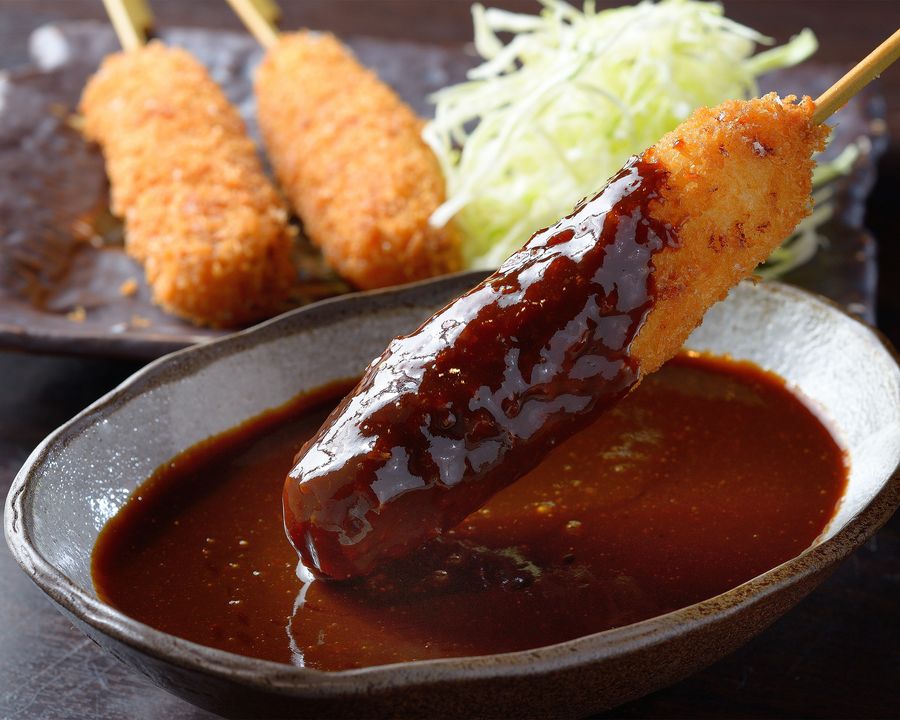
At our restaurant, we use every part of the bird — thigh sashimi (chicken sashimi), seseri (neck meat), tsukune (minced meat skewer), wings, breast, and ground meat — prepared through a wide range of cooking methods to showcase the full spectrum of flavour this exceptional ingredient offers.
Weeks of
Free-Range Rearing
Raised for at least 28 weeks — twice the standard broiler — developing firm, dense, umami-rich muscle.
Distinctive Chew
& Umami Depth
The signature springy texture and layered umami cannot be replicated by any commercially raised chicken.
Ministry of Agriculture
Certified Pure-Line
All cochin used at our restaurant is Ministry of Agriculture, Forestry and Fisheries certified — the highest standard available.
Pure Nagoya Cochin eggs are distinguished by their distinctive pink shell — a visual marker of the breed's heritage. Inside, the yolk is deeply golden-orange, rich, and intensely flavoured compared to standard commercial eggs.
The albumen (white) is firm and stands high, while the yolk has a creamy, almost custard-like richness. This makes cochin eggs exceptional not only eaten raw (as TKG — tamago kake gohan) but also in cooked preparations: the tamagoyaki egg roll takes on a gorgeous golden colour and a depth of flavour that ordinary eggs simply cannot match.
At Torisuki KULULU, we use Pure Nagoya Cochin eggs across our menu — from the tori-suki hot pot (to dip the meat into raw egg) to our desserts: vanilla ice cream, cheese pudding, and more. Every preparation is designed to let the richness of the cochin egg shine.
Much of what is sold in Japan as "Nagoya Cochin" is in fact a first-generation hybrid (F1 cross). While these birds carry some Nagoya Cochin genetics, they are not pure-line birds and differ markedly in texture, flavour, and the richness of the fat.
The Pure Nagoya Cochin we use at Torisuki KULULU is sourced exclusively from Nanbu Shokukin — a specialist producer certified by the Ministry of Agriculture, Forestry and Fisheries. Pure-line cochin accounts for only a few percent of total cochin sold in Japan. We make no compromises: only the highest-grade pure-line birds appear on our table.
Our commitment is to serve this exceptional ingredient in a way that does justice to the farmers, the history, and the Aichi heritage it represents — prepared with the techniques of traditional Japanese kaiseki cuisine.
Experience Pure Nagoya Cochin
Taste the difference for yourself at Princess Garden Hotel 2F, Sakae, Nagoya.
052-241-7772Phone reception: 14:00–23:00 (Closed Mondays)